
Detailed Description: Trauma Surgeries
Trauma surgeries refer to surgical procedures performed to treat severe injuries caused by accidents, falls, sports injuries, industrial incidents, natural disasters, or violent events. These injuries often involve sudden impact or force that results in damage to bones, joints, internal organs, blood vessels, or soft tissues. Trauma surgery is a critical specialty focused on saving lives, stabilizing patients, and restoring the function and structure of injured body parts.
Trauma surgeons work in emergency environments where rapid assessment and immediate treatment can be life-saving. Many trauma cases require multidisciplinary care involving orthopedic surgeons, neurosurgeons, plastic surgeons, vascular surgeons, and critical care specialists.
Types of Trauma Surgeries
Common trauma-related surgical procedures include:
- Fracture Fixation: Using plates, screws, rods, or external fixators to stabilize broken bones.
- Joint Dislocation Repair: Realigning and reconstructing dislocated joints.
- Polytrauma Management: Treating multiple injuries simultaneously.
- Spinal Trauma Surgery: Stabilizing vertebrae to prevent nerve damage or paralysis.
- Soft Tissue Reconstruction: Repairing muscles, tendons, skin, and ligaments.
- Emergency Organ Repair: Managing injuries to organs like the liver, spleen, or lungs.
- Amputation and Limb Salvage: Saving severely damaged limbs or performing emergency amputation when needed.
Common Causes of Trauma Injuries
- Road traffic accidents
- Workplace injuries
- Sports and athletic injuries
- Falls from height
- Natural disasters
- Assaults and gunshot injuries
Goals of Trauma Surgery
- Save life in critical situations
- Control bleeding and prevent shock
- Stabilize broken bones and joints
- Prevent infection and complications
- Preserve limb function
- Restore mobility, strength, and overall quality of life
Recovery and Rehabilitation
Rehabilitation begins soon after surgery and may include physiotherapy, pain management, bracing or casting, nutritional support, and psychological counseling. The recovery period varies depending on injury severity and patient health but may range from weeks to months.
Importance of Trauma Surgery
Trauma surgery plays a vital role in emergency medicine by ensuring timely intervention to prevent permanent disability or death. Advancements in surgical technology, real-time imaging, robotics, and improved post-operative care have significantly improved patient outcomes.
IMAGE -1
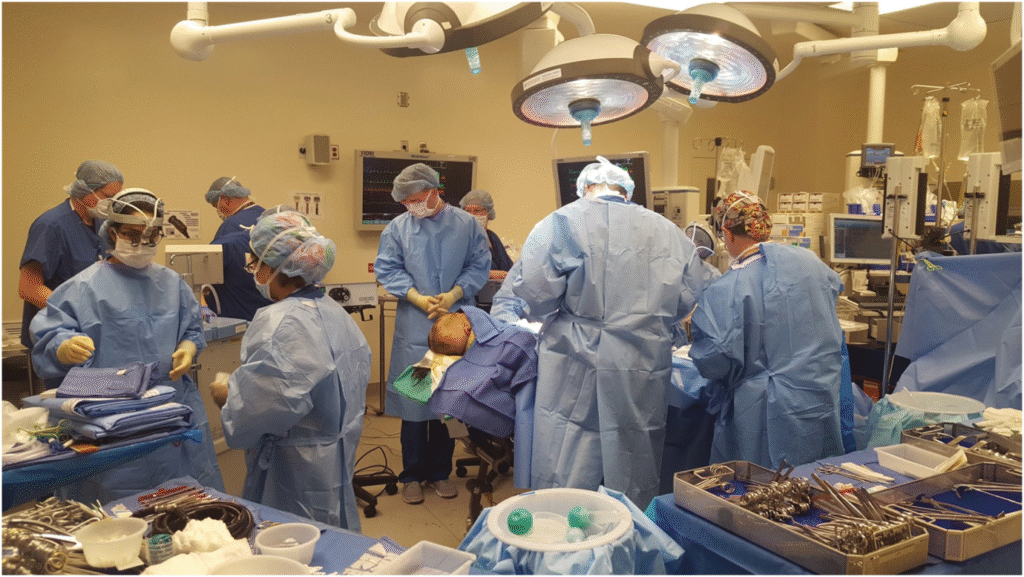
IMAGE-2