Pediatric Orthopedics: A Detailed Description
Pediatric Orthopedics is a specialized branch of medicine dedicated to the musculoskeletal health of children and adolescents, from birth through their teenage years.1 It focuses on the diagnosis, treatment, and management of bone, joint, muscle, ligament, and tendon problems in growing bodies.2
This field is distinct from adult orthopedics because a child’s musculoskeletal system is constantly growing and changing.3 Treatment must account for growth plates, potential for remodeling, and the psychological impact on the child.4
Key Focus Areas
Pediatric orthopedic specialists manage a wide range of conditions, which are often grouped into the following categories:
1. Congenital and Developmental Conditions
These are problems that children are born with or that develop in early childhood due to abnormal growth.
- Clubfoot (Talipes Equinovarus): A condition where the foot is turned inward and downward.6 Treatment often involves the Ponseti Method of serial casting.
- Developmental Dysplasia of the Hip (DDH): A condition where the hip socket is too shallow, allowing the femoral head to slip out partly or completely. Early detection is key, with treatment ranging from a Pavlik Harness to surgery.
- Torticollis: A twisting of the neck where the head is perpetually tilted to one side, often due to a tight sternocleidomastoid muscle.
- Limb Deformities/Deficiencies: Conditions involving missing, short, or abnormally rotated limbs.
2. Growth Plate Disorders
The growth plate (physis) is the area of growing tissue near the ends of the long bones in children.Since cartilage is weaker than bone, growth plates are particularly vulnerable to injury and disease.
- Scoliosis and Kyphosis: Scoliosis is an abnormal S- or C-shaped curvature of the spine. Kyphosis is an excessive forward rounding of the upper back. Treatment ranges from observation and bracing to spinal fusion surgery.
- Slipped Capital Femoral Epiphysis (SCFE): A serious condition where the head of the femur (thigh bone) slips backward at the growth plate, often seen in pre-teens and teenagers during a growth spurt. Requires immediate surgical stabilization.
- Legg-Calvé-Perthes Disease (LCPD): A condition where blood supply to the head of the femur is temporarily interrupted, causing the bone to die and collapse.
3. Trauma and Sports Injuries
While children sustain many of the same injuries as adults, the involvement of the growth plate makes these injuries unique.
- Growth Plate Fractures: Injuries that cross the physis. These must be treated carefully to ensure normal bone growth continues. The Salter-Harris classification system is used to grade these fractures.
- Pediatric Elbow Fractures: Supracondylar fractures of the humerus are common and can sometimes risk nerve or vascular injury.
- Torus and Greenstick Fractures: Incomplete fractures unique to children due to their softer, more pliable bones.
- ACL Tears and Meniscal Injuries: These are becoming more common in adolescents who specialize in competitive sports.
4. Neuromuscular Conditions
These involve issues with the nervous system that affect the musculoskeletal system.
- Cerebral Palsy (CP): Orthopedics plays a key role in managing gait issues, muscle spasticity, contractures, and hip displacement in children with CP.
- Spina Bifida: Specialists address mobility issues, limb deformities, and spinal problems related to this neural tube defect.
Treatment Approaches
Pediatric orthopedic treatment often prioritizes non-surgical methods due to the body’s natural ability to remodel during growth.
- Non-Surgical:
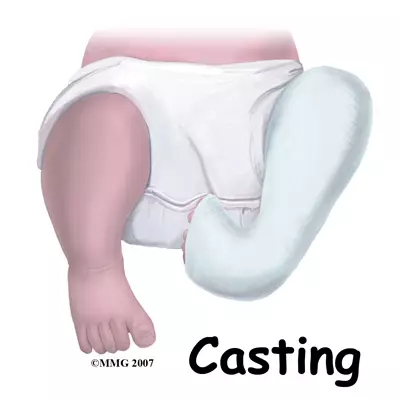
- Casting and Bracing: Used for clubfoot, DDH, scoliosis, and most fractures.
- Physical Therapy (PT): Essential for muscle strengthening, range of motion, and gait training.
- Medication: For pain management and anti-inflammatory needs.
- Surgical:
- Osteotomy: Cutting and repositioning a bone (e.g., to correct severe hip dysplasia).
- Fusion: Fusing two or more bones together (e.g., in severe scoliosis).
- Internal Fixation: Using pins, screws, or plates to stabilize fractures, especially those involving the growth plate.
Pediatric orthopedic surgeons are specially trained to use techniques that minimize long-term impact on growth and function, ensuring the child develops the best possible musculoskeletal health into adulthood.
Image-1
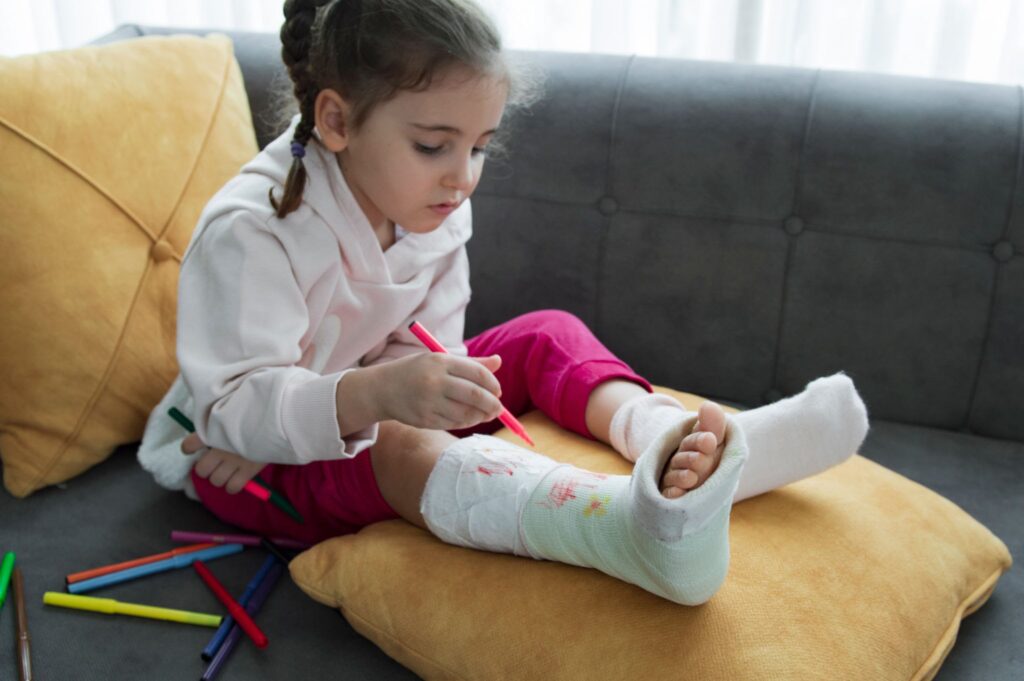
Image-2
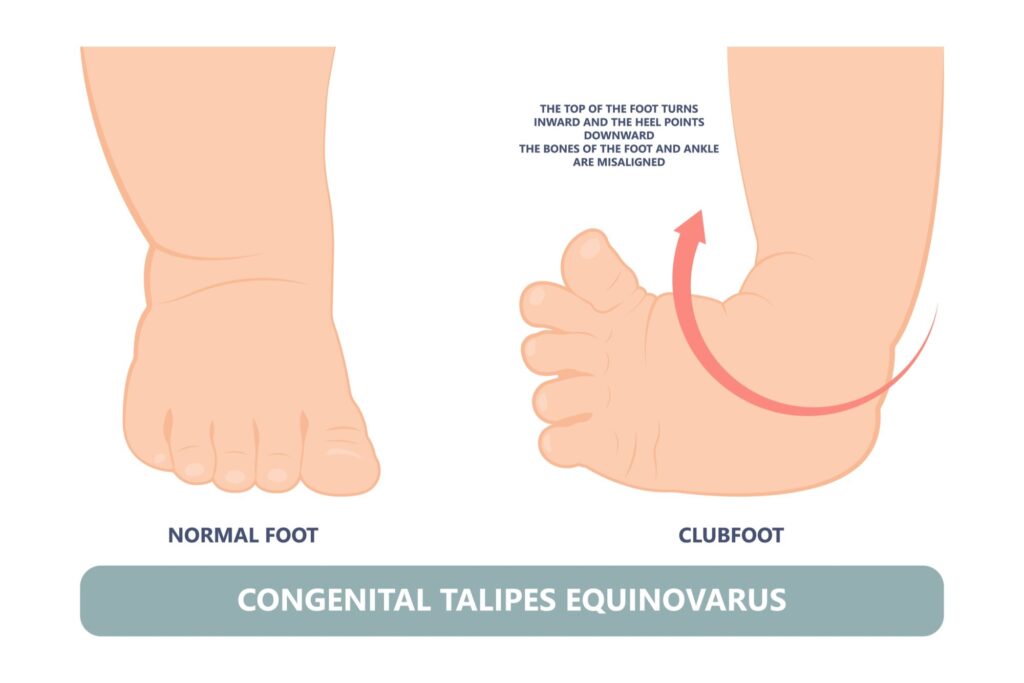
Image-3