
Sports Injuries – Detailed Description
Sports injuries refer to injuries that occur during physical activity, sports participation, exercise, or training. They can affect the bones, muscles, ligaments, tendons, joints, and other soft tissues. These injuries may result from accidents, poor training practices, inadequate warm-up, improper technique, or overuse of a body part.
Types of Sports Injuries
1. Acute Injuries
Caused by a sudden traumatic event.
Examples:
- Sprains – ligament tears (e.g., ACL tear in knee, ankle sprain)
- Strains – muscle or tendon injuries (e.g., hamstring strain)
- Fractures – broken bones
- Dislocations – bones forced out of joint
- Contusions (Bruises) – soft-tissue bleeding
2. Overuse Injuries
Result from repetitive stress without adequate rest.
Examples:
- Tendinitis – inflammation of a tendon (e.g., tennis elbow)
- Stress fractures – tiny cracks in bones due to repetitive impact
- Shin splints – pain in lower leg (common in runners)
- Bursitis – joint cushioning sac inflammation
Common Sports Injury Areas
- Knee – ACL/PCL tear, meniscus injury, patellar tendinitis
- Shoulder – Rotator cuff tear, dislocation
- Ankle – Sprains, Achilles tendon injury
- Elbow – Tennis/golfer’s elbow
- Back & Spine – Muscle spasms, disc injury
- Wrist & Hand – Ligament tear, fractures
Symptoms of Sports Injurie
Rest, Ice, Compression, Elevation
Medications
Pain relievers and anti-inflammatory drugs
Physiotherapy
Strengthening, stretching, mobility training
Bracing or casting
For support and stability
Treatment and Prevention
Immediate Treatment
For most acute, mild to moderate soft tissue injuries, the initial treatment is the R.I.C.E. protocol:
| Acronym | Action | Purpose |
| R | Rest | Avoid activities that cause pain, swelling, or discomfort. |
| I | Ice | Apply a cold pack for 15-20 minutes, several times a day, to reduce swelling and pain. |
| C | Compression | Use an elastic bandage to wrap the injured area to help minimize swelling. |
| E | Elevation | Raise the injured area above the level of the heart to help drain fluid and reduce swelling. |
Further Treatment and Rehabilitation
Depending on the type and severity, treatment may include:
- Medication: Nonsteroidal Anti-Inflammatory Drugs (NSAIDs) for pain and swelling.29
- Immobilization: Using a splint, cast, or brace for fractures or severe sprains/dislocations.30
- Physical Therapy (Rehabilitation): Guided exercises to restore strength, flexibility, balance, and function.31
- Surgery: Required for severe injuries like complete ligament tears (e.g., ACL rupture) or complex fractures.32
Prevention Strategies
- Proper Warm-up and Cool-down: Use dynamic stretching before exercise and static stretching afterward.33
- Conditioning: Maintain a fitness plan that includes strength, flexibility, and cardiovascular exercise.34
- Technique: Learn and consistently use the correct form and technique for your sport.35
- Equipment: Wear properly fitted and maintained protective gear and supportive footwear.36
- Progressive Training: Gradually increase the intensity, duration, and frequency of workouts (e.g., follow the 10% rule for runners).37
Rest: Allow for adequate rest and recovery time between intense sessions and listen to your body—do not “p
Image-1
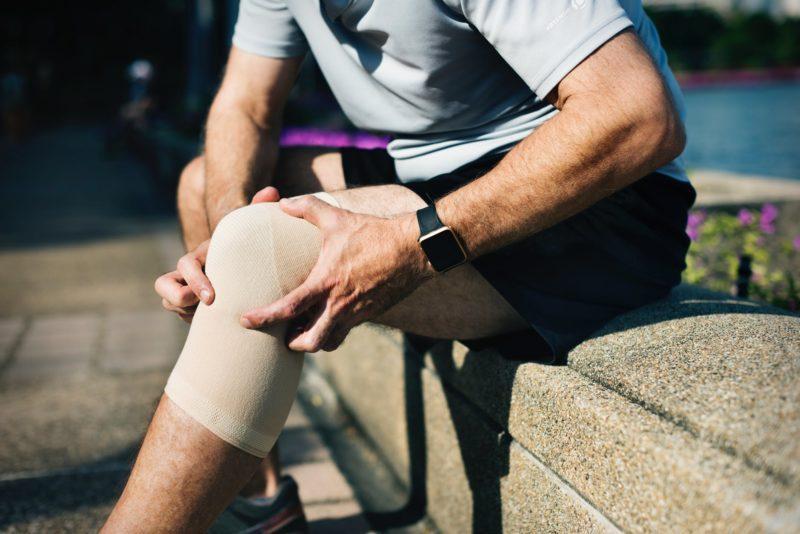
Image-2
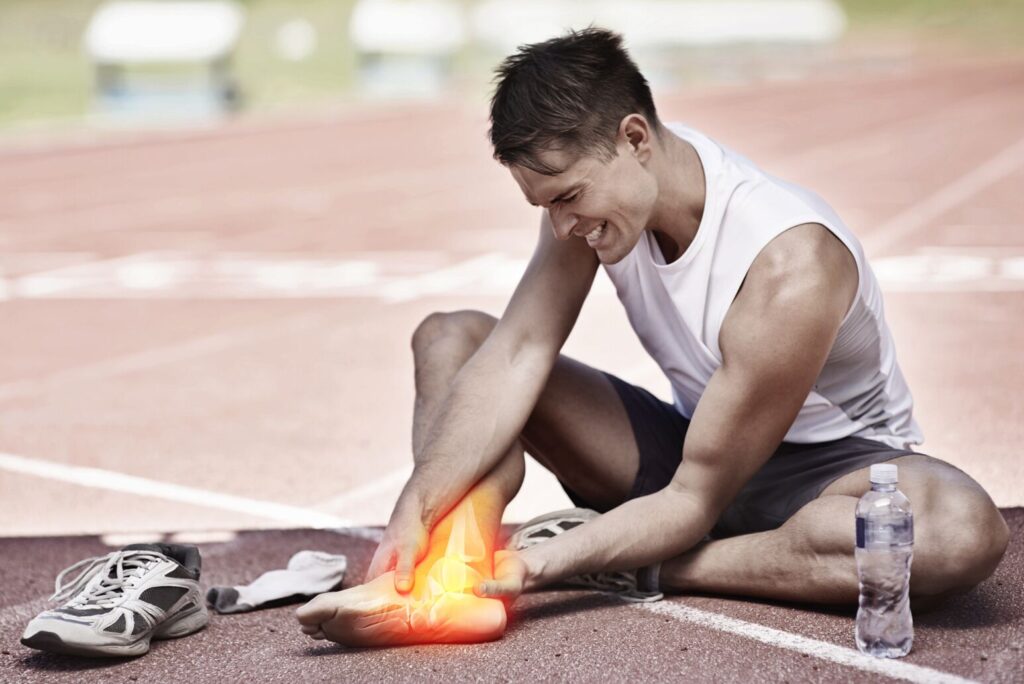
Image-3